
Chapter 6: How a mid-level Nak Muay became the greatest representative for Muay Thai worldwide: The story of Buakaw Banchamek
Sports: Muay Thai, Kickboxing

Muay Thai, known as the "Art of Eight Limbs, " holds a revered place in Thai culture. It is a martial art that demands not just physical strength but also mental fortitude. Among the many practitioners of this art, few have reached the level of global superstardom of one Buakaw Banchamek, who is revered today as one of the greatest kickboxers of all time and one of, if not the greatest representative of Muay Thai in many fans’ eyes. This week, Chronicles of Combat aims to explore how such a man came to be, Muay Thai stadiums to kickboxing rings.
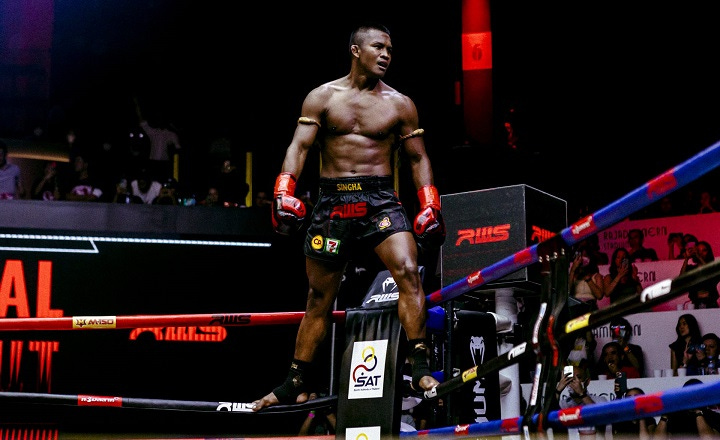
Early Life and Initial Challenges
Buakaw Banchamek, born Sombat Banchamek, grew up in the rural Surin province of Thailand. His introduction to Muay Thai came early, as he, like many boys in Thailand, sought to help his family through fighting. Despite his dedication and rigorous training, Buakaw struggled to make a significant impact in the competitive Muay Thai scene. He was often seen as just another mid-level Nak Muay, participating in local and regional bouts with limited recognition.

Buakaw's early career was marked by numerous challenges. He faced tougher, more experienced opponents and had to deal with the physical and mental toll of constant training and fighting. Yet, his determination never wavered. Buakaw continued to push himself, driven by a desire to rise above his circumstances and achieve greatness. His early bouts were characterized by a raw, unrefined style that lacked the polish of more experienced fighters. This period of struggle, however, was crucial in shaping his resilience and fighting spirit.
Several key points marked the beginning of Buakaw's transformation from a mid-level fighter to a serious championship-level Nak Muay. His performances in the prestigious Omnoi Stadium were particularly significant, where he won the Featherweight title. These fights caught the attention of prominent trainers and bettors who saw potential in Buakaw's relentless fighting spirit and raw talent. After more fights on the regional scene, Buakaw returned to Omnoi stadium and won another belt, this time in the Lightweight division.

Under the guidance of his trainers at the now renowned fight camp Por. Pramuk, Buakaw refined his technique and adopted a more disciplined and strategic approach to his training and fighting, while still keeping the sheer aggression that made his name on the regional circuits. This period of intense mentorship and development was crucial in setting the stage for his future success. The turning point came with his victories over notable opponents, mainly the highly regarded Satoshi Kobayashi of Japan in the finals of the Lumpinee Stadium Toyota Marathon 140lbs championships.

Even with such a seemingly impressive record, Buakaw was still regarded as somewhat of a mid-tier level talent, as many critics were not impressed with his skills in clinchwork, as well as his tendency to sometimes rely too much on punches, something that wasn’t traditionally appreciated in Muay Thai compared to kicks.
Transition to Kickboxing & Making History in K-1
Buakaw's transition from Muay Thai to kickboxing was a pivotal moment in his career. The opportunity to participate in the K-1 World MAX, a renowned kickboxing tournament, marked a significant turning point. Unlike Muay Thai, which was more familiar territory, kickboxing presented new challenges, while at the same time, was a much better fit for Buakaw’s style, as punches score more under this ruleset, and his clinchwork, which was considered the weakest part of his game in Muay Thai, was miles ahead of his competition in kickboxing.
In the 2004 K-1 World MAX, Buakaw's aggressive yet tactical approach took the kickboxing world by storm. His ability to seamlessly blend traditional Muay Thai techniques with the dynamic demands of kickboxing set him apart from other fighters. His powerful strikes, particularly punches, knees and low kicks, and relentless pressure captivated audiences and earned him the championship title, beating many legends such as John Wayne Parr, Takayuki Kohiruimaki and previous champion Masato Kobayashi. Buakaw's success in the K-1 World MAX 2004 tournament was a testament to his adaptability and his ability to rise to new challenges. It was a defining moment that highlighted his transition from a Muay Thai fighter to a kickboxing star.
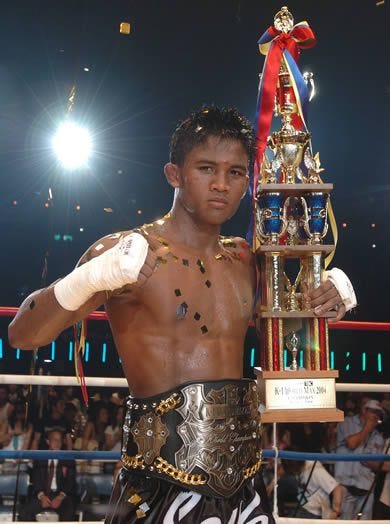
In 2005, Buakaw again joined the K-1 World MAX tournament, determined to become the first fighter in history to win the prestigious title twice. However, in a controversial decision, the Thai lost the extra round to Dutch shoot-boxer Andy Souwer in the finals, despite a dominant performance.
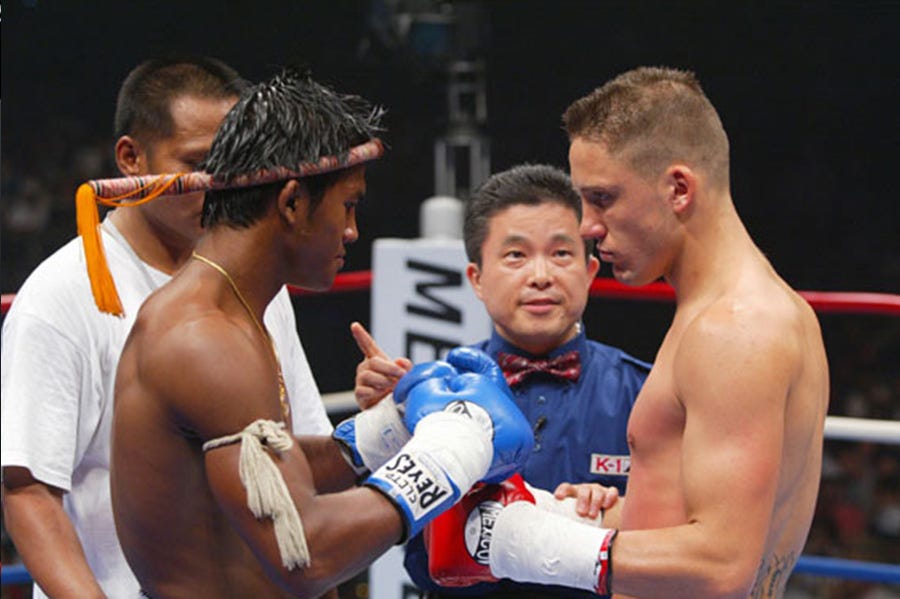
A year later, at the K-1 World MAX 2006 tournament, Buakaw again faced Souwer in the finals, but having learned from his mistake, knocked out his Dutch opponent with a flurry of punches; thereby winning his second K-1 World MAX title and becoming the first man to win such title twice.
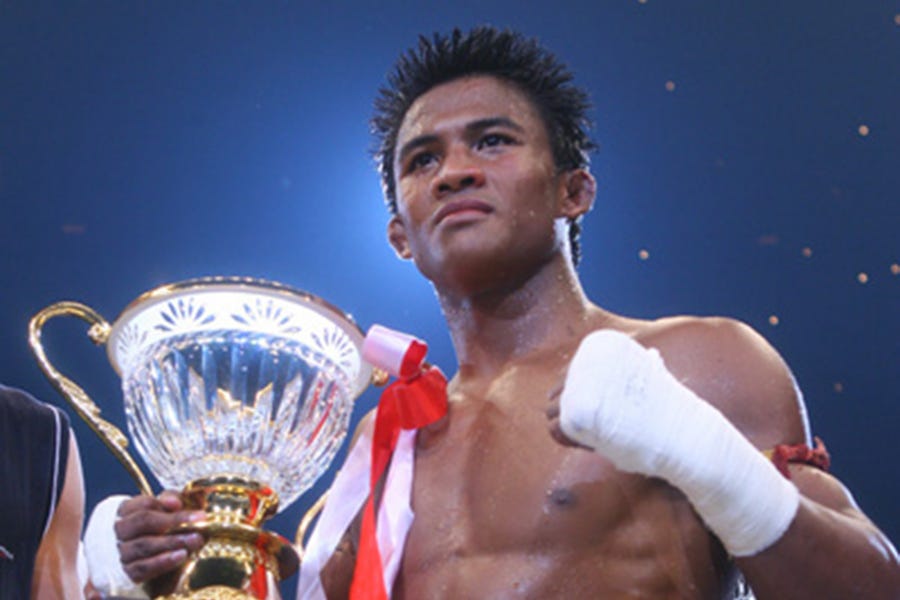
While Buakaw would later return to K-1 World MAX, he was never able to replicate his success and win another title.
Cultural Impact and Legacy
As Buakaw's fame grew, so did his role as a cultural ambassador for Muay Thai and kickboxing. He became a symbol of Thai pride, representing the art of Muay Thai on a global stage. His media appearances, endorsements, and participation in international events helped to elevate the profile of both sports, attracting new fans and practitioners from around the world.
Buakaw's influence also extended beyond the ring. He became a mentor and role model for young fighters, inspiring a new generation to pursue their dreams with the same dedication and passion. His commitment to promoting the values of respect, discipline, and perseverance resonated with audiences, further solidifying his legacy as a global ambassador for martial arts.
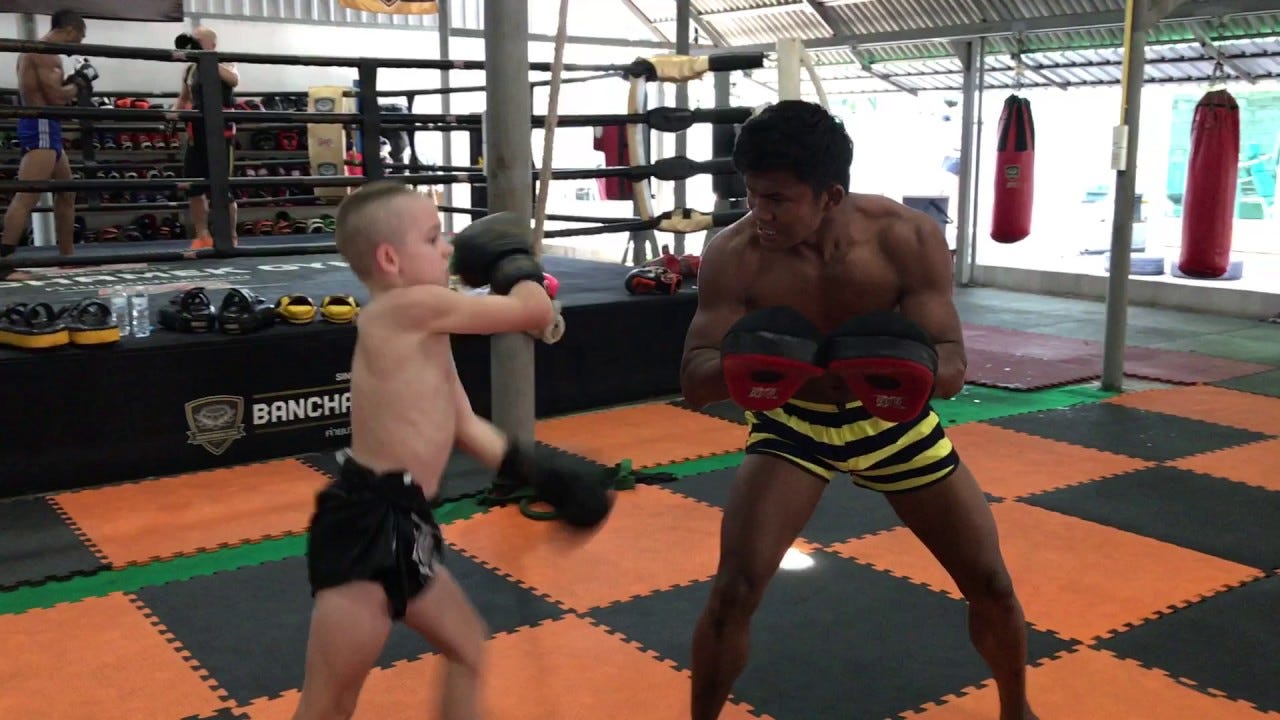
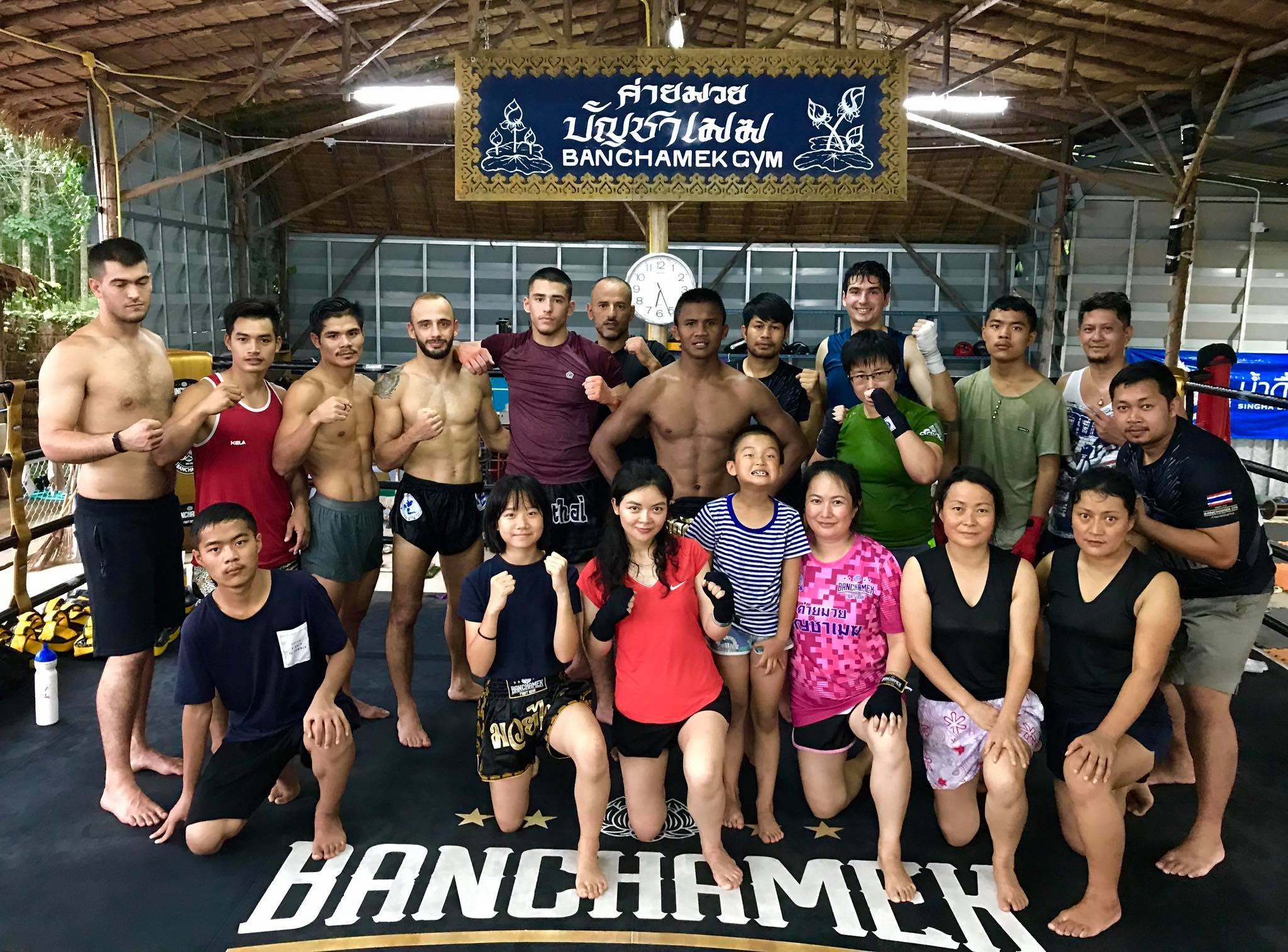
Buakaw's contributions to combat sports continued to grow over the course of his legendary career. He established the Banchamek Gym in 2012, where he trains and mentors aspiring fighters, passing on his knowledge and experience to the next generation. His gym has become a hub for Muay Thai and kickboxing enthusiasts, attracting students from around the world who seek to learn from one of the sport's greatest practitioners. Buakaw's legacy is not just about his achievements in the ring but also about his enduring impact on the martial arts community and his efforts to promote the values and principles of Muay Thai and kickboxing.
Conclusion
Buakaw Banchamek's journey from a mid-level Nak Muay to a kickboxing star is a remarkable story of transformation and perseverance. Despite early struggles and limited recognition, Buakaw's relentless pursuit of excellence propelled him to the pinnacle of kickboxing and international martial arts. His journey is a powerful reminder of the importance of adaptability and dedication in achieving one's goals.
As a fighter, mentor, and cultural ambassador, Buakaw has left an indelible mark on the world of Muay Thai and kickboxing. His legacy continues to inspire fighters and fans alike, embodying the spirit of the "Art of Eight Limbs" and the profound impact that one individual can have on a global scale. Buakaw Banchamek is not just a champion in the ring but a true representative of martial arts' enduring legacy and cultural significance.